


A Complete Guide to Benefits, Techniques, and When to Try Them
If you’ve ever wondered “Do facial massages work?”, you’re not alone. Facial massage has become one of the most talked-about ways to reduce stress, release jaw tension, and support overall skin health. But beyond the hype, there’s real science, real benefits, and real relief waiting for you — especially when it’s done by an experienced massage therapist.
At Relief Massage Spa in South Denver, many of my clients come in with the same question, and they leave feeling lighter, looser, and genuinely surprised at how much tension their face and jaw were holding.
Below, I’ll walk you through what a facial massage actually does, what to expect during a session, how intraoral massage fits into the picture, and who can benefit most.
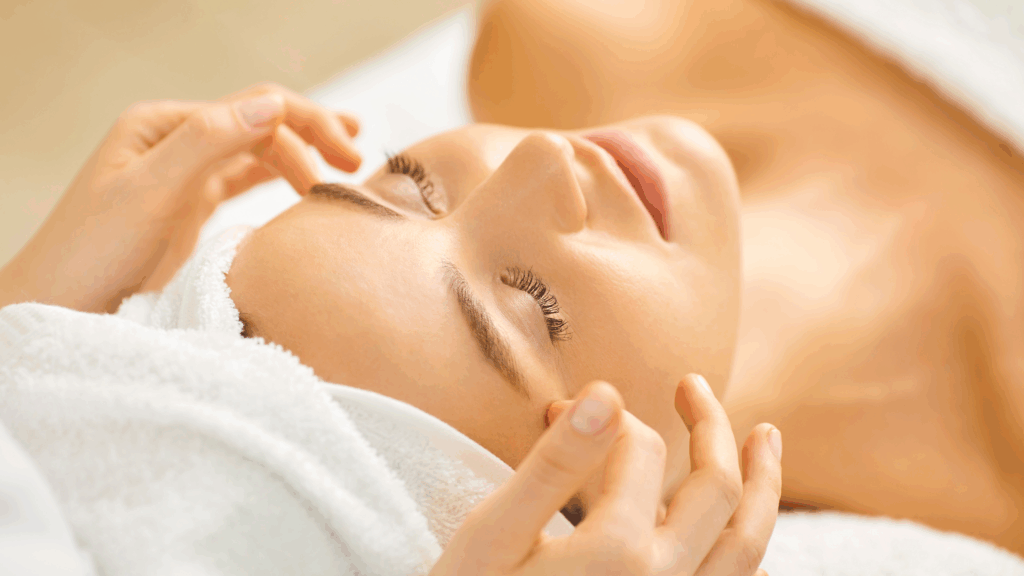
What Is a Facial Massage?
A facial massage is a therapeutic technique that focuses on releasing tension in the muscles of the face, jaw, neck, and sometimes the scalp. Unlike a traditional skincare facial, which focuses on exfoliation or cleansing, facial massage is rooted in muscular and lymphatic work.
During a session, I use a combination of gentle strokes, deeper kneading, and targeted pressure to:
- Improve circulation
- Encourage lymphatic drainage
- Relax facial muscles
- Reduce tension headaches
- Support the body’s natural stress response
If you want to learn about our therapeutic massage services here in South Denver, you can call me for more details.
Do Facial Massages Really Work?
The Science Behind Facial Massage
Yes — facial massages work, and there is real science to back it up.
Studies from trusted medical sources, including the Cleveland Clinic and Mayo Clinic, show that massage increases blood flow and stimulates the lymphatic system, which helps reduce swelling and delivers more nutrients to the skin. It also eases muscle tension, which is a major contributor to headaches, jaw pain, and stress.
Proven Benefits of Facial Massage
A consistent facial massage may lead to:
- Reduced puffiness and inflammation
- Improved skin tone
- Decreased tension headaches
- Relief from jaw clenching or grinding
- A calmer, more relaxed nervous system
- Softer lines caused by tense facial muscles
For many clients, a facial massage is the first time they realize just how much stress shows up in their face.
What to Expect During a Facial Massage
Techniques Your Therapist May Use
A facial massage session is relaxing but also deeply therapeutic. Depending on your specific needs, I may use:
- Gentle upward strokes to encourage circulation
- Lymphatic drainage techniques around the cheeks and jaw
- Slow kneading to soften tight facial muscles
- Pressure point therapy for headaches
- Myofascial release along the jawline and temples
These techniques release tension you may not even realize you’ve been holding.
How Long a Session Lasts
Most facial massage sessions last 25–45 minutes, depending on the service. At Relief Massage Spa, I incorporate this work into customized sessions when clients need help with stress relief, jaw pain, or headaches.
Who Benefits Most?
A facial massage is ideal if you:
- Clench or grind your teeth
- Experience TMJ tension
- Sit at a computer for long hours
- Get frequent tension headaches
- Hold stress in your neck, shoulders, or jaw
- Want to improve circulation and skin tone naturally
South Denver clients often book these sessions when they feel overwhelmed, tight, or mentally drained.
Facial Massage vs. Other Facial Treatments
A facial massage isn’t the same as a skincare facial — they serve different purposes.
Facial massage focuses on:
- Muscle relaxation
- Tension release
- Circulation
- TMJ support
- Stress relief
Skincare facials focus on:
- Cleansing
- Exfoliation
- Hydration
- Acne treatment
Both are beneficial, but if your goal is to actually feel better — not just look refreshed — facial massage is a powerful option.
The American Academy of Dermatology also notes that circulation-focused massage techniques may support healthier skin long-term.
Understanding Intraoral Massage (Specialized Facial Massage for Jaw & TMJ)
One of the most powerful forms of facial massage is intraoral massage — a technique performed inside the mouth (with gloves) to target muscles that external massage can’t reach.
Intraoral massage is highly specialized and should only be performed by trained therapists.
What Is Intraoral Massage?
It’s a therapeutic technique where your therapist gently works the muscles inside your cheeks, along the gums, and around the jaw joints. These internal muscles are often responsible for deep jaw pain, TMJ issues, and tension headaches.
Intraoral Massage Benefits
Clients often notice:
- TMJ pain relief
- Reduced clenching
- Lower frequency of headaches
- Release of deep trigger points
- Better jaw mobility
- Less ear pressure
Intraoral Massage for TMJ
If you have TMJ symptoms — popping, grinding, clicking, tightness, headaches — intraoral massage can make a significant difference. By releasing both the external and internal jaw muscles, it provides more complete relief.
The Cleveland Clinic lists massage therapy as a recommended treatment for TMJ disorders, especially when muscle tension is the root cause.
What Intraoral Massage Therapy Feels Like
The pressure is firm but controlled, and it may feel unusual at first. Most clients describe it as:
- Intense in a good way
- Surprisingly relieving
- More effective than external jaw work alone
After the session, it’s normal to feel looser, more relaxed, and able to move your jaw more freely.
If you’re dealing with TMJ or jaw tension, Relief Massage Spa offers specialized sessions designed to help release these deeper layers of muscle tension.
Are Facial Massages Safe?
When to Avoid Facial Massage
You may want to skip a facial massage if you have:
- Active acne flare-ups
- Facial injuries
- Severe TMJ issues without medical clearance
- Recent facial surgery or injections
Tips for Best Results
- Arrive makeup-free
- Stay hydrated
- Communicate pressure preferences
- Avoid touching your face too much afterward
These small steps help maximize the benefits.
How Often Should You Get a Facial Massage?
For Stress Relief
Weekly or biweekly sessions are ideal.
For TMJ or Jaw Clenching
Every 3 weeks tends to offer the best results.
For General Skin Health
Once per month is usually enough to maintain circulation and muscle tone.
Facial Massage at Relief Massage Spa in South Denver
Why Clients Choose Relief Massage Spa
Clients come to us for more than relaxation. They trust us because we focus on:
- Skilled therapeutic techniques
- A calm, supportive atmosphere
- Personalized massage plans
- TMJ and facial tension expertise
- Convenient access from Englewood, Centennial, Lone Tree, and South Denver
Services That Complement Facial Massage
To amplify the benefits, many clients pair facial massage with:
- Deep tissue massage
- Trigger point therapy
- TMJ-focused massage
- Neck and shoulder work
You can view all services or book directly on the Relief Massage Spa website.
So… Do Facial Massages Work?
Yes — facial massages work, and they can make a noticeable difference not just in how you look, but in how you feel. Whether you’re dealing with jaw tension, headaches, stress, or simply want to support healthier circulation, this type of massage offers deep, therapeutic benefits.
If you’re in South Denver and want to experience the difference for yourself, Relief Massage Spa is here to help you relax, release tension, and restore balance.