


If you’ve ever wondered what actually happens during a deep tissue massage, you’re not alone. Many first-time clients are curious (and sometimes nervous) about how it feels, how intense the pressure will be, and what to expect afterward.
At Relief Massage Spa in South Denver, we believe that understanding what to expect helps you feel more relaxed and confident walking into your appointment. Deep tissue massage is a powerful technique for releasing chronic tension, improving posture, and helping your body truly recover — but it doesn’t have to be intimidating.
Here’s everything you need to know before, during, and after your deep tissue session.
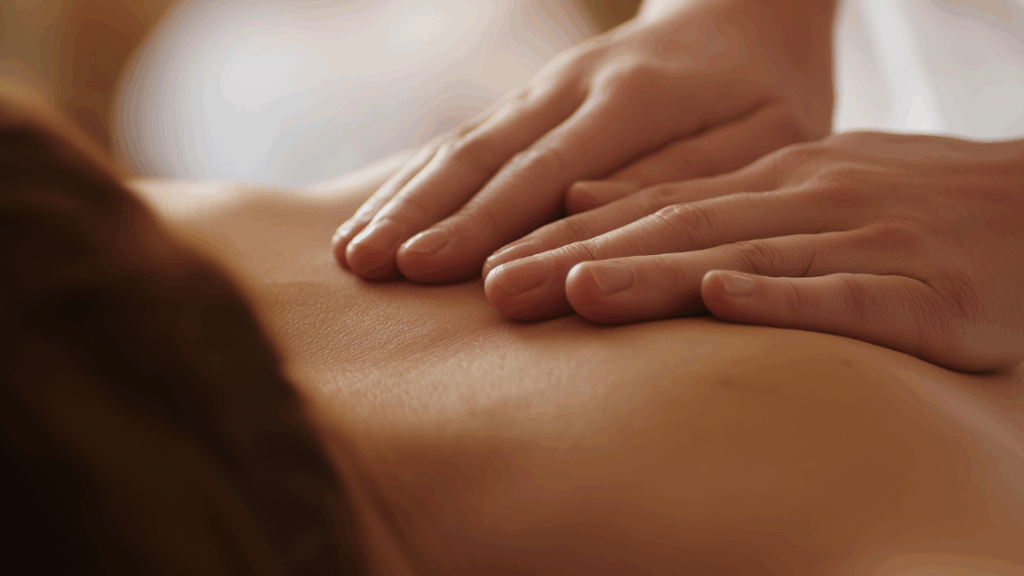
What Is a Deep Tissue Massage?
A Quick Overview
A deep tissue massage is designed to target the deeper layers of muscles and connective tissue. Unlike a Swedish massage — which uses lighter, flowing strokes to promote overall relaxation — deep tissue massage uses slower, more focused pressure to release chronic tension and muscle knots (also called “adhesions”).
It’s an ideal choice for people who experience:
- Stiffness or soreness from sitting at a desk all day
- Postural issues or repetitive strain
- Chronic neck, back, or shoulder pain
- Tightness from athletic activity or stress
Deep tissue doesn’t mean “painful.” It’s about working smarter, not just deeper — using controlled, intentional pressure to achieve real relief.
Benefits of Deep Tissue Massage
When performed by a skilled therapist, deep tissue massage can help:
- Reduce muscle pain and stiffness
- Improve flexibility and range of motion
- Release scar tissue and adhesions
- Enhance posture and movement patterns
- Promote long-term stress relief and body awareness
👉 Book a Deep Tissue Massage at Relief Massage Spa
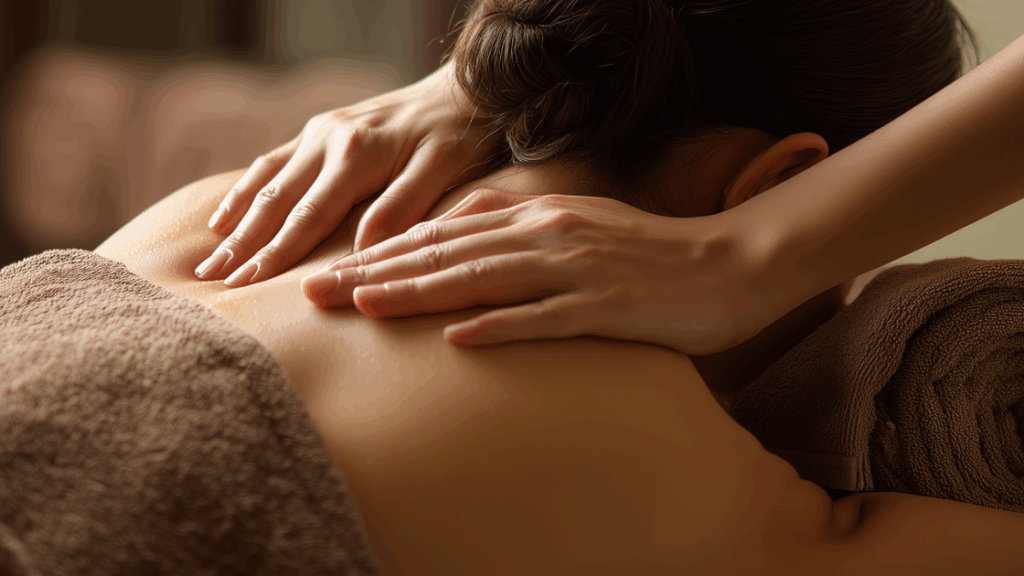
Before Your Massage — How to Prepare
Preparing for your deep tissue massage helps maximize the benefits and ensures a more comfortable experience.
Communicate Your Needs
Before your session begins, your therapist will take time to discuss your specific goals and any problem areas you’d like to address. Be honest about pain levels, recent injuries, or sensitive spots. At Relief Massage Spa, every session is tailored to your comfort and therapeutic needs — the more we know, the better we can help.
Hydrate and Eat Light
- Drink plenty of water before your appointment.
- Avoid heavy meals right before your massage.
- Arrive a few minutes early to relax, breathe, and set the tone.
Hydration and light stretching before your session can help muscles respond more effectively to deep work.
During Your Deep Tissue Massage — What Happens
Each therapist has a slightly different approach, but most deep tissue massages follow a similar flow.
Step 1: Consultation
Your session begins with a brief conversation about your health history, areas of tension, and desired outcomes. This helps your therapist customize the pressure and focus.
Step 2: Warm-Up
The massage starts with lighter, Swedish-style strokes to warm up the muscles. This helps prepare the tissue for deeper work without discomfort.
Step 3: Deep, Targeted Pressure
Once your muscles are warm, your therapist will begin applying deeper, slower pressure to specific areas using their hands, forearms, or elbows. You may feel mild discomfort or a “good ache,” especially over tight spots — but it should never be painful.
If anything feels too intense, let your therapist know. Communication is key to ensuring your comfort throughout the session.
Step 4: Breathing and Relaxation
Breathing deeply helps your muscles release tension more easily. Your therapist may remind you to inhale and exhale slowly through deeper work, allowing your body to respond naturally.
For more on the benefits of deep tissue massage, visit the American Massage Therapy Association.
After Your Massage — Recovery Tips
What happens after your massage is just as important as the massage itself. Proper recovery helps your body fully benefit from the session.
Drink Water and Rest
Deep tissue work releases built-up metabolic waste trapped in muscle fibers. Staying hydrated helps your body flush those out efficiently. Drink plenty of water and give yourself time to rest afterward.
Mild Soreness Is Normal
You may feel a little sore — similar to the day after a good workout. That’s completely normal and temporary. Gentle stretching, a warm bath, or light movement can help ease any lingering tightness.
When to Schedule Your Next Session
For chronic tension or stress, we recommend scheduling a deep tissue massage every 4–6 weeks. Consistency helps retrain your muscles, improve posture, and maintain overall wellness.
Why Choose Relief Massage Spa for Deep Tissue Massage
Personalized Pressure and Comfort
At Relief Massage Spa, we believe that “deep” doesn’t have to mean “painful.” Our therapists work within your comfort zone to achieve results while keeping you relaxed.
Experienced Therapists Who Listen
Melanie and her team have years of experience working with a variety of clients — from athletes to office professionals to those simply seeking relief from everyday tension. Each session is designed to meet your specific goals.
Convenient South Denver Location
Find us in the heart of South Denver at:
📍 384 Inverness Pkwy Suite #125, Englewood, CO 80112
📞 720-515-2019
Find Us on Google Maps
Ready to Experience Deep Relief?
If you’re ready to experience the benefits of a deep tissue massage, schedule your appointment today. Whether you’re dealing with stress, soreness, or simply need time to recharge, our team is here to help you feel your best.